Caribbean Food Centennial: Honoring Ancestral Recipes and Island Roots
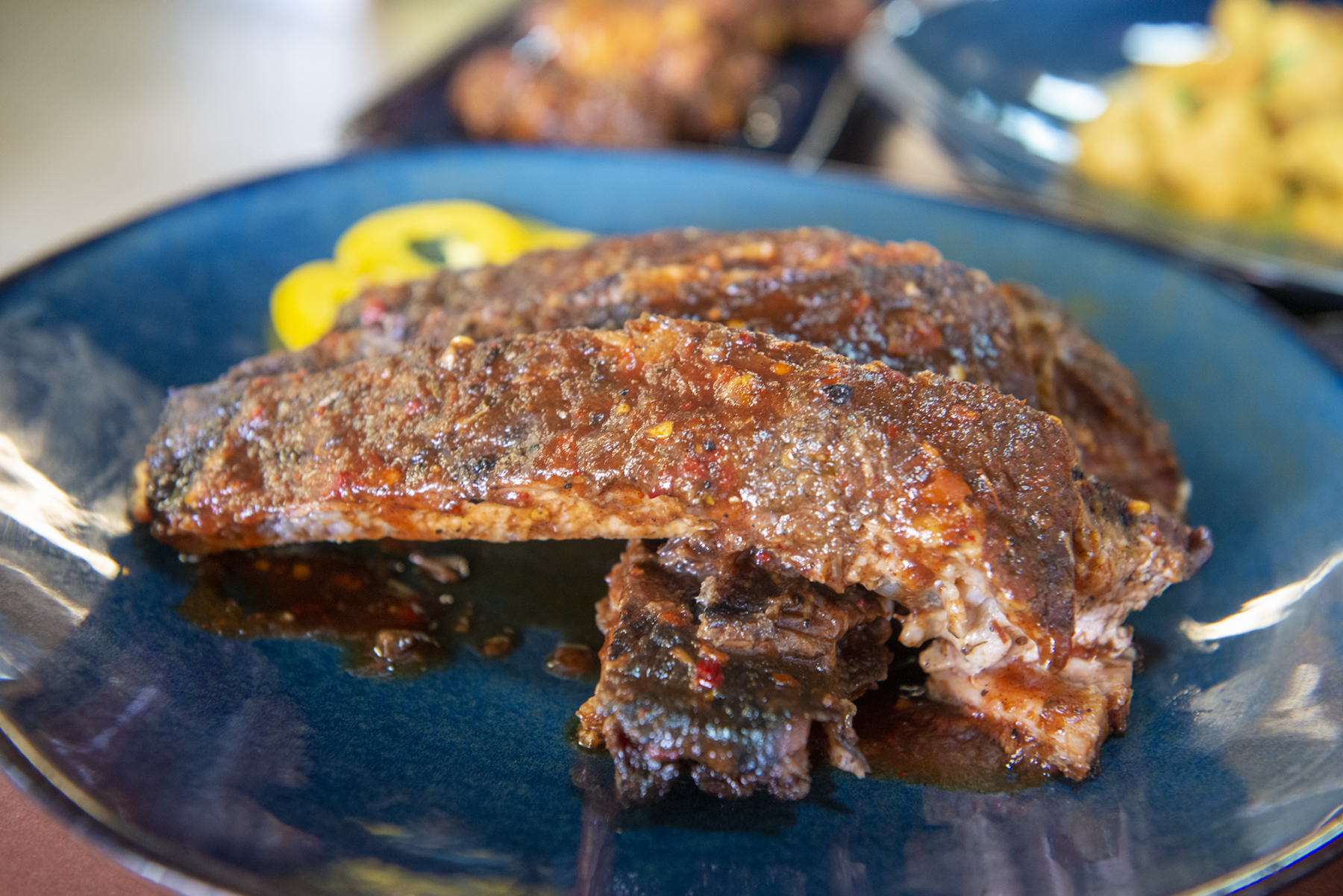
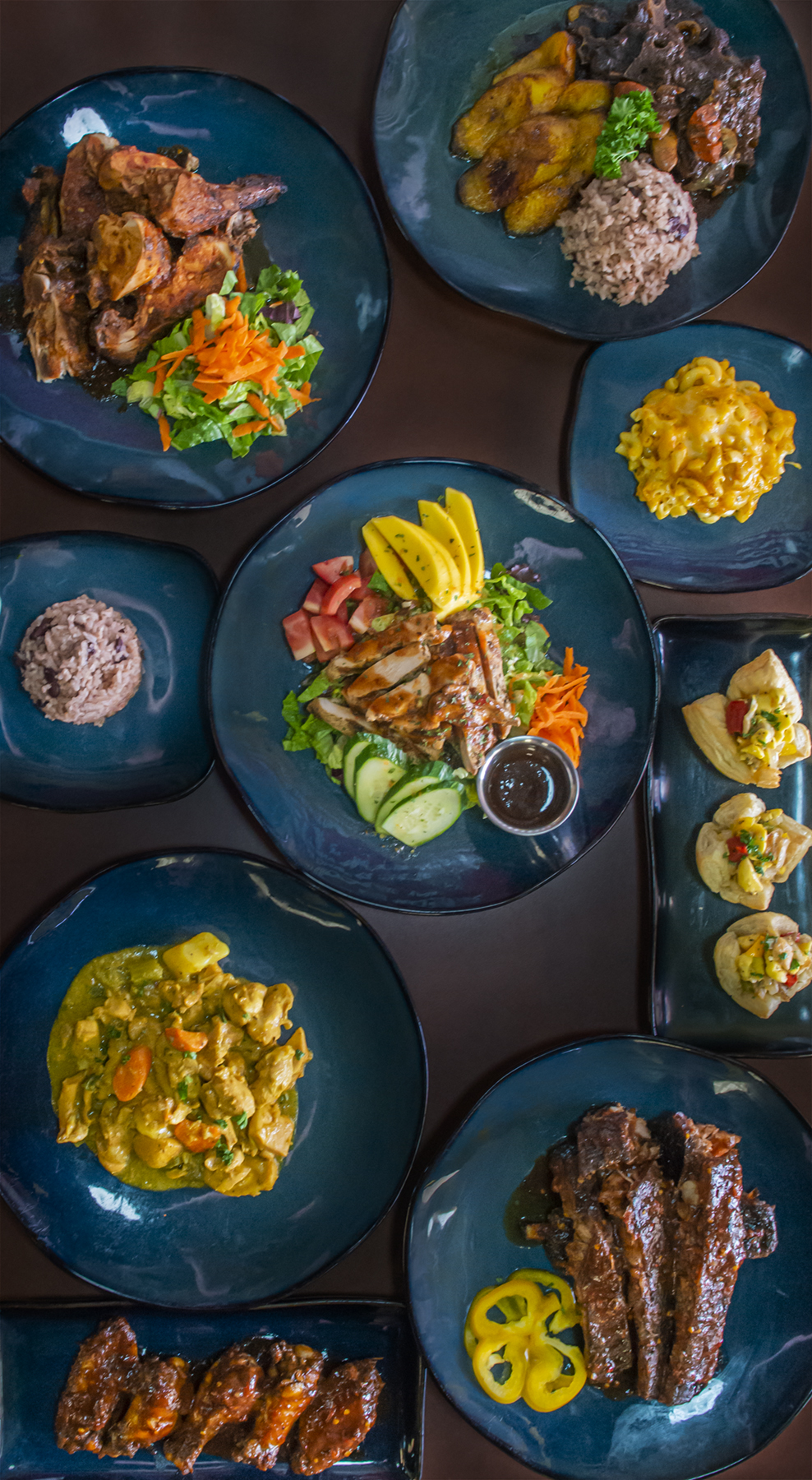
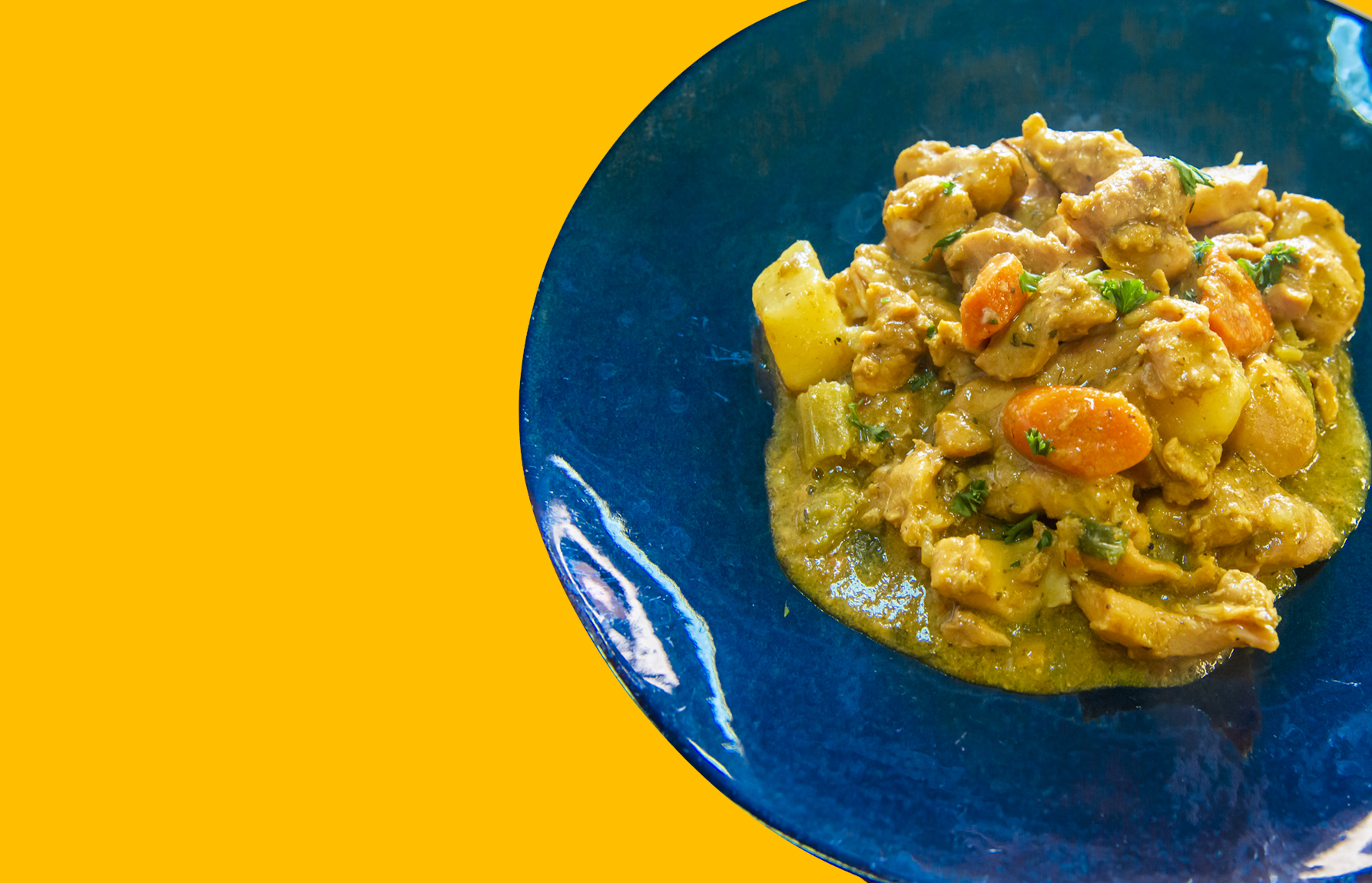
A centennial invites more than celebration. It asks for memory, accountability, and care. When the subject is Caribbean food, that task becomes even richer, because a plate from the islands is never only a meal. It carries migration, survival, improvisation, ceremony, and pride. A spoonful of callaloo, a pot of pelau, a flaky patty, a cassava pone cooling on the counter, each one tells part of a longer story about people who learned to preserve identity under pressure and to create abundance from limited means.
The phrase caribbean food centennial can sound ceremonial at first, almost abstract, until you stand in a kitchen where those traditions are still alive. Then it becomes immediate. It is the smell of thyme and scallion bruised under a knife. It is coconut milk thickening in a pot. It is a grandmother tasting with the side of a spoon, not measuring in cups but adjusting by instinct. It is a family arguing, lovingly, about whether the proper version includes allspice, browning, green seasoning, or a particular variety of yam. A hundred years of food history in the Caribbean is not tidy, and it should not be made tidy for the sake of nostalgia. The region’s cuisine was shaped by Indigenous knowledge, African endurance, European colonial systems, Indian indentureship, Chinese migration, Levantine influence, and local adaptation to weather, trade, and terrain.
To honor that inheritance well, we have to resist flattening it into a handful of tourist dishes. Caribbean food is not one cuisine. It is a web of related foodways spread across islands and coastlines, each with its own language, spice logic, starch preference, and ceremonial calendar. Jamaica is not Trinidad. Trinidad is not Barbados. Barbados is not Haiti. Haiti is not Dominica or Curaçao or Puerto Rico. Yet there is a recognizable kinship among them, built around staples such as rice, plantains, root crops, salt fish, legumes, hot peppers, herbs, sugar, rum, and coconut in its many forms.
The long memory inside a recipe
The oldest Caribbean recipes were never just culinary formulas. They were systems of endurance. Enslaved Africans brought agricultural intelligence, flavor pairings, seed memory, and cooking methods that found new expression in the Americas. Indigenous peoples contributed cassava processing, pepper knowledge, and local ecological understanding that remains foundational in many areas. Later arrivals from India transformed everyday eating with curries, roti, split pea fillings, and spice blends that became deeply Caribbean in their own right. Chinese cooks and shopkeepers widened the pantry further, introducing soy-based seasonings, stir-fry methods, and hybrid dishes that today feel native to the region.
That history matters because many so-called “traditional” recipes are actually records of encounter. Take pepperpot. In Guyana, it is often discussed as a national dish with Amerindian roots, its deep color and lasting quality tied to cassareep, a cassava reduction that carries both flavor and preservation power. Or take ackee and saltfish in Jamaica, where imported salt cod became naturalized through local technique and pairing. Or consider doubles in Trinidad, a now iconic street food shaped by Indo-Caribbean culinary practice, adapted over generations into a specific island craft with its own standards for bara texture, channa consistency, and pepper balance.
People sometimes search for a pure origin in food, as if authenticity means untouched lineage. Caribbean food tells a different truth. Authenticity here often means continuity through adaptation. A dish remains itself not because every ingredient stayed the same over time, but because the community kept its logic intact. That logic may involve thrift, layering flavor in stages, balancing heat with sweetness or starch, cooking for a crowd, or preserving ingredients through salting, pickling, smoking, or long simmering.
Kitchens that taught without measuring
Across the Caribbean and its diaspora, recipes have traditionally been taught by observation more than documentation. That is one reason so many family dishes resist standardization. A written recipe may say “season to taste,” but in practice that phrase contains generations of training. It means knowing whether your Scotch bonnet is mild or fierce. It means understanding that a stew should darken enough for depth but not so much that the sugar burns bitter. It means hearing when a fritter batter hits hot oil with the right sound.
Many ancestral cooks worked without digital scales, oven thermometers, or imported specialty ingredients. They cooked by heat memory and texture recognition. Bread was proofed by feel. Dumplings were judged by elasticity. Coconut was grated fresh if time allowed, then squeezed through cloth for milk. A pot of pigeon peas and rice was monitored by aroma and steam. Those methods are often dismissed as imprecise by cooks trained on strict measurements, but that judgment misses the point. The precision existed. It simply lived in the hands, eyes, and senses of the cook rather than on paper.
This matters in a centennial context because preservation efforts can unintentionally strip recipes of their living qualities. When families or institutions “save” a dish by fixing one rigid version, they may preserve ingredients while losing method, mood, and social setting. A proper archive of Caribbean food should document not only what went into a recipe, but how it was spoken about, when it was served, who cooked it, and what substitutions were made in lean years.
The festive table and the everyday pot
There is no honest way to discuss Caribbean food heritage without distinguishing between celebratory cooking and daily sustenance. Holiday meals often receive the spotlight, and understandably so. Christmas black cake soaked in rum and wine, ham lacquered with clove and pineapple, sorrel steeped with ginger, pastelles wrapped and tied, special breads baked only for feast days, these are emotionally charged foods. They anchor memory. They are often the dishes migrants miss most acutely because they belong to a season, not just a taste.
But everyday food tells the deeper story of survival. Ground provisions, stewed beans, fried plantains, porridge, saltfish sautéed with onions and peppers, soup made from what was on hand, these formed the backbone of home cooking. The ingenuity in those meals deserves equal honor. Some of the most revealing dishes in Caribbean culinary history were born from necessity: using off-cuts, stretching protein with legumes, making starches satisfy, seasoning boldly to transform scarcity into dignity.
That is why centennial celebrations should not become pageants of luxury alone. The polished banquet has its place, but the humble pot matters just as much. A bowl of cornmeal porridge can carry just as much ancestral intelligence as a formal feast. So can roasted breadfruit eaten with salted fish and avocado. So can cassava bread prepared according to techniques older than colonial rule.
Island roots are agricultural roots
It is impossible to separate Caribbean cuisine from the land and sea that shaped it. Soil type, rainfall, elevation, and shoreline access all affected what ended up in the pot. Breadfruit thrived in some areas and became a workhorse staple. Plantains and bananas filled multiple roles, from green starch to ripe sweetness. Yams, tannia, sweet caribbean food centennial potatoes, eddoes, and cassava sustained communities through both routine and crisis. Mango, guava, soursop, tamarind, and coconut enriched desserts, drinks, preserves, and savory preparations.
Fish and shellfish traditions also vary sharply by place. Coastal communities developed entire repertoires around flying fish, snapper, kingfish, conch, shrimp, crab, and salt cod. Inland or mountainous areas leaned more heavily on root crops, greens, and preserved proteins. Even one ingredient can reveal local character. Callaloo, for example, means different things in different territories. It may refer to amaranth leaves, taro leaves, or a finished soup-like preparation depending on where you are and who is speaking.
Modern celebration often overlooks the strain climate instability has placed on these food systems. Stronger storms, changing rainfall patterns, coastal erosion, and import dependence have made traditional ingredients more expensive or less predictable. Anyone serious about honoring Caribbean food heritage should pay attention to farmers, fishers, market vendors, and seed keepers, not only chefs. The future of ancestral recipes depends on whether the ingredients can still be grown, harvested, and afforded.
Migration changed the menu, but not the heart
A centennial look at Caribbean food must include diaspora kitchens in places such as London, Toronto, New York, Miami, Panama, and Amsterdam. Migration did not dilute Caribbean cuisine so much as force it into new negotiations. Cooks learned to substitute collard greens for callaloo, use canned coconut milk when fresh coconuts were scarce, or adapt to cuts of meat available in foreign supermarkets. Some ingredients became more expensive abroad, while others became easier to access than they were back home.
Diaspora cooking also intensified preservation. Families who had little time during the workweek made green seasoning in large batches, froze tamarind pulp, stocked hot sauces, and guarded handwritten notebooks with unusual care. In many immigrant households, Sunday dinner became a deliberate act of continuity. Rice and peas, curry goat, stewed chicken, macaroni pie, escovitch fish, oxtail, fried ripe plantain, these meals did cultural work beyond feeding. They taught younger generations who they were, even if those children spoke with a different accent than their parents.
There is a familiar tension here. Older relatives may insist that the food “doesn’t taste the same” abroad, and often they are right. Water differs. Produce differs. Meat can be leaner or more industrially processed. Fresh herbs may lack intensity after long shipping. Yet something else happens in diaspora kitchens that deserves respect. Recipes become more consciously protected. Food turns into an archive. A child who learns to fold a patty dough or tie a pastelle leaf in Brooklyn or Birmingham is participating in heritage just as meaningfully as a cousin doing the same in Kingston or San Fernando.
The danger of turning heritage into performance
Centennial events can drift into a polished, harmless version of culture. There is a temptation to present Caribbean food as endlessly colorful, spicy, and cheerful, detached from the history that produced it. That approach may attract crowds, but it does not honor ancestors.
Many caribbean food centennial iconic Caribbean ingredients came through brutal systems of plantation labor and colonial extraction. Sugar built fortunes for empire while costing countless lives. Salt fish became central partly because preserved imports fit the economics of labor exploitation. Rice, spices, and rum all carry histories larger than flavor. To celebrate the cuisine honestly is not to drain joy from it. It is to acknowledge that joy itself was often an act of resistance.
That is why the most meaningful heritage events tend to include oral history, not just tastings. When elders explain why a dish was cooked only at Christmas, or how market prices affected a weekly menu, or what substitutions were made during shortages, they restore depth to the food. The plate becomes evidence, memory, and testimony.
What deserves protection right now
If we are marking a caribbean food centennial in any serious way, preservation cannot stop at praise. It needs practical action. The traditions most at risk are often not the famous restaurant dishes, but the home techniques that require time, repetition, and local context. Coconut grating by hand, cassava processing, bush tea knowledge, pickle making, clay pot cooking, backyard bread ovens, curing methods, and ceremonial foods prepared only a few times a year are especially vulnerable.
A useful preservation effort usually includes a mix of the following:
- Recording elders cooking in real time, including conversation, corrections, and improvisation.
- Documenting ingredient names across dialects and islands so knowledge is not lost in translation.
- Supporting school and community garden programs that grow traditional herbs, peppers, and root crops.
- Paying cooks and culture bearers for workshops rather than expecting unpaid “heritage sharing.”
- Preserving context, meaning serving customs, feast days, and family stories, not only ingredient lists.
The practical point is simple. If younger generations only encounter these foods in restaurants or festival booths, they may learn to consume them without learning how they are made or why they matter.
Restaurants, home cooks, and the question of authority
Professional chefs have helped elevate Caribbean cuisine in the global dining conversation, and that recognition is welcome. Fine dining interpretations can showcase regional ingredients with remarkable care. A skilled chef can make diners notice cassava, breadfruit, sorrel, or pimento in new ways. But restaurants should not be treated as the sole authorities on authenticity. In the Caribbean, some of the deepest culinary knowledge still sits in home kitchens, roadside stalls, church fundraisers, and market-side cookshops.
There is also a class question here. Upscale reinterpretations often receive press attention, while working cooks who kept the traditions alive for decades remain unnamed. A centennial worth the name should honor both. The chef refining a saltfish croquette with elegant technique has a place in the story. So does the woman who has sold doubles before dawn for thirty years and knows by touch when the bara dough is ready. So does the grandfather who still dries herbs on the veranda and swears one variety of thyme cooks sweeter than another.
Authority in Caribbean food has always been distributed. It belongs to people who plant, clean fish, grind spices, knead dough, roast breadfruit over coals, bottle pepper sauce, and feed crowds after funerals, christenings, and harvest celebrations. That is one reason the cuisine remains so resilient. It was never dependent on a single institution.
The role of memory in taste
Anyone who has interviewed families about food learns quickly that memory can be specific to the point of obsession. People remember the exact shine on a Christmas ham, the bitterness level of caramelized sugar in a stew, the softness of a cassava pone center, the scent of bay leaf when a pot first opens. They may not remember dates clearly, but they remember a bowl, a stove, a season, a hand movement.
Taste memories often preserve migration histories too. One branch of a family may prefer heavier use of geera, another a brighter green seasoning, another more smoke from open-fire cooking because of where they settled or what ingredients they could access. Those differences should not be corrected out of existence. They are part of the archive. Caribbean food heritage is not one master text. It is a chorus.
There is a useful discipline in writing these things down carefully. Instead of saying a recipe is “made the traditional way,” it helps to be precise. Traditional for whom, in which parish, island, or decade? Was the coconut fresh or canned? Was the dish tied to Lent, to market day, to weddings, or to ordinary Sundays? Was it richer in times of prosperity and simpler in times of shortage? Those details protect against the false neatness that often creeps into food storytelling.
A living inheritance, not a museum piece
The strongest tribute to ancestral recipes is not to freeze them. It is to keep them legible while allowing them to live. Younger cooks may reduce sugar for modern palates, use pressure cookers for practicality, or prepare vegetarian versions for health and ethics. These changes do not automatically betray tradition. The real question is whether the cook understands what is being changed and why.
There is wisdom in adaptation when it grows from knowledge rather than trend. If a family now uses less salted meat in a peas dish for health reasons but still preserves the flavor structure with herbs, coconut, onion, and slow cooking, that can be a thoughtful evolution. If a vegan cook recreates a beloved stew with breadfruit or legumes while respecting the dish’s seasoning base and social context, that too may be an act of continuity. Problems arise when adaptation is driven by erasure, when dishes are stripped of their history so they can be sold as generic tropical fare.
A centennial perspective helps here. Over one hundred years, no cuisine remains static. The point is not to stop change. The point is to carry memory forward with enough integrity that the roots remain visible.
How communities can mark the moment well
The most meaningful celebrations tend to be local, sensory, and intergenerational. A centennial meal should not only feed guests. It should teach them to notice the labor behind the plate. Some of the best community events I have seen around Caribbean food heritage paired cooking with storytelling, market tours, seed exchanges, or demonstrations by elders who had never considered themselves teachers, yet held astonishing knowledge.
Food history becomes vivid when people can trace a dish across ingredients, labor, and ritual. A child who sees cassava grated, pressed, baked, and served will understand far more than if handed a finished cassava bread on a paper plate. An adult who hears why black cake fruit was soaked months ahead, or why certain soups were made for Saturday, or why a particular pepper sauce stayed on every table, gains a grounded respect that no menu note can supply.
That is the promise inside a caribbean food centennial. It is not merely a milestone to brand or a nostalgic theme for an event calendar. It is a chance to recognize culinary inheritance as serious cultural knowledge. The recipes deserve praise, certainly. More than that, they deserve context, transmission, and care.
When island roots are honored properly, the celebration reaches beyond flavor. It touches language, agriculture, trade, migration, ceremony, and kinship. It reminds us that food can hold a people together across water, generations, and change. And it asks us, plainly, whether we will leave the next generation with more than a taste. It asks whether we will leave them the story, the method, and the will to keep cooking.
Reggae Pot Jamaican Grill
Address: 7562 S University Blvd Unit C, Centennial, CO 80122
Phone: (303) 997-5623
FAQ About caribbean food centennial
What Jamaican dishes can I try in Centennial?
Reggae Pot Jamaican Grill serves Jamaican specialties such as jerk chicken, stewed oxtail, curry goat, and ackee and saltfish. Check the current menu for availability.
What is ackee and saltfish?
It is Jamaica’s national dish. The restaurant prepares ackee with salted cod, onions, thyme, tomatoes, garlic, black pepper, and pimento.
Can I order Jamaican food for pickup in Centennial?
Yes. Choose the Centennial location at 7562 S University Blvd Unit C when placing a takeout order.