Caribbean Food Centennial Journey Through a Century of Taste
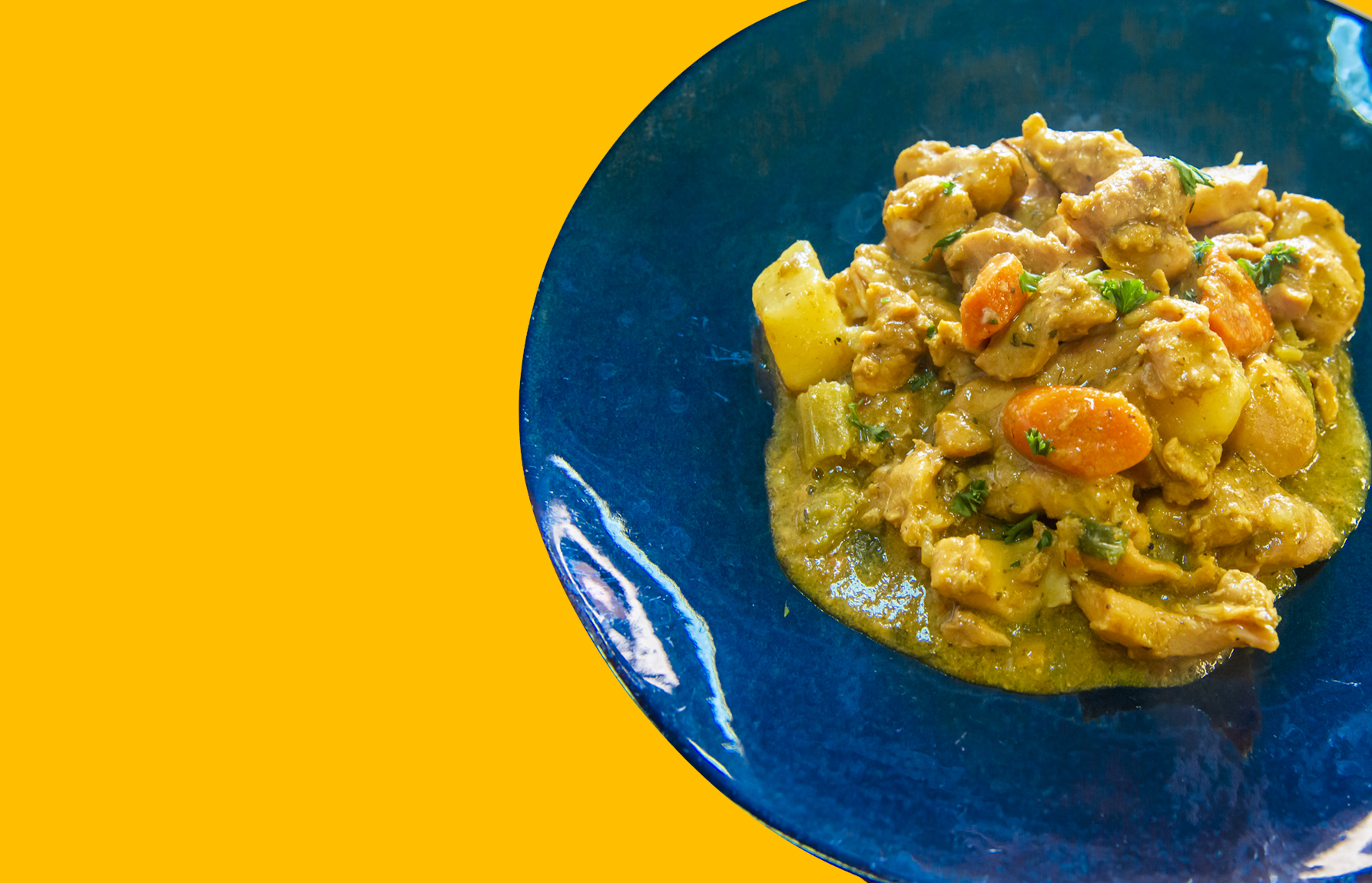
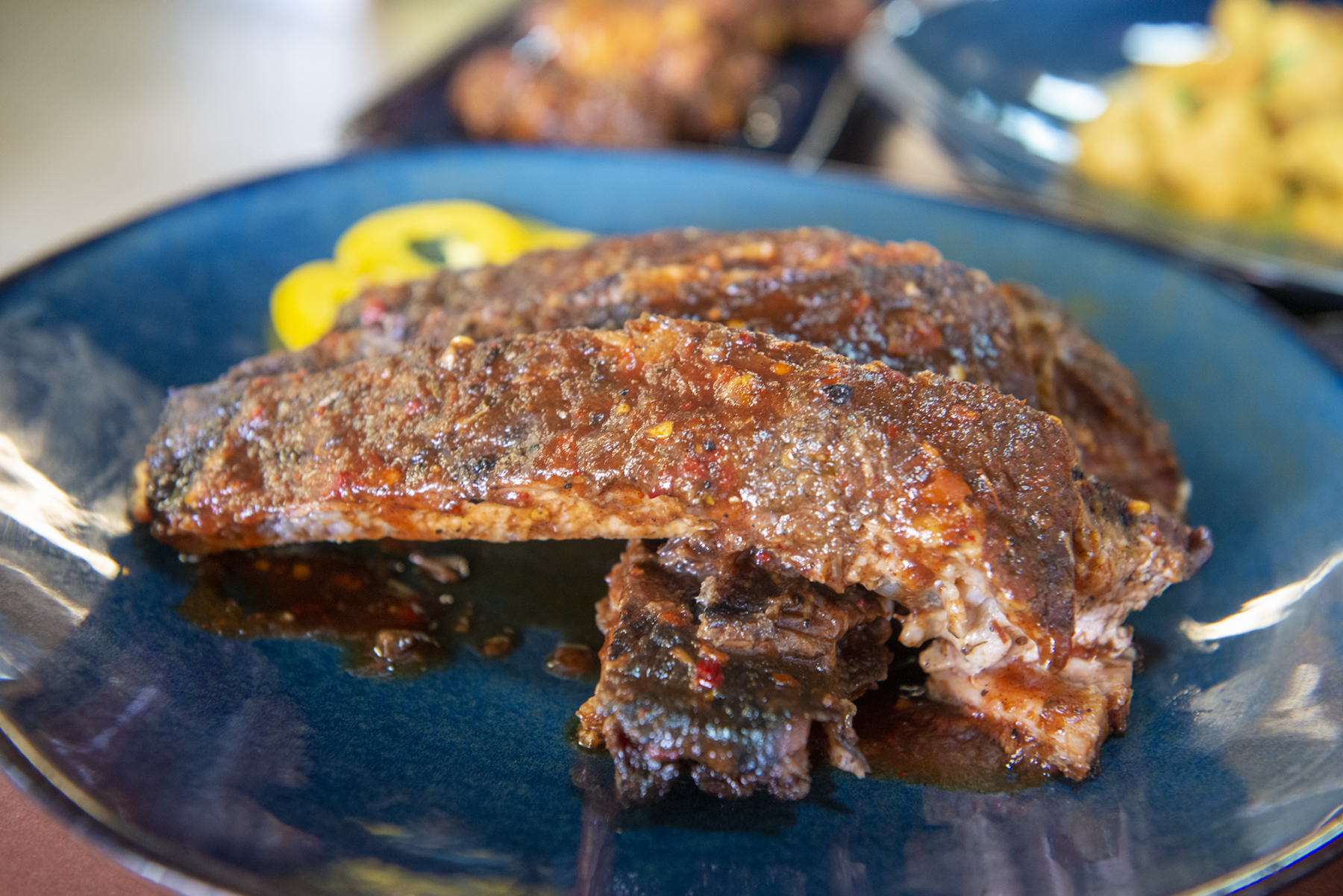
A hundred years is a long time in any kitchen. It is long enough for ingredients to travel, for cooking fuel to change, for one generation’s necessity to become another generation’s comfort food, and for recipes once judged ordinary to become treasured markers of identity. To think about a caribbean food centennial is to think beyond a single dish. It means looking at a region shaped by migration, empire, trade, weather, memory, and stubborn culinary pride.
Caribbean food has never stood still. It has absorbed Indigenous knowledge, African technique, European pantry habits, Indian spice traditions, Chinese methods, Levantine influence, and the practical logic of island life. What emerged over the past century is not a fixed cuisine but a family of cuisines, connected by climate and history yet distinct from one shore to the next. Jamaica does not taste like Trinidad. Barbados does not cook like Haiti. Puerto Rico and the Dominican Republic share ingredients, but not always the same instinct for seasoning or texture. Even within one island, what appears on the table can change from coast to interior, from market day to Sunday dinner.
When people speak casually about “Caribbean food,” they often flatten this variety into a handful of familiar dishes. Jerk chicken, rice and peas, plantains, rum cake. Those foods matter, certainly, but they tell only part of the story. The real journey across the last hundred years lives in the details: the shift from coal pot to gas stove, the way imported flour changed baking traditions, the rise of street food economies, the survival of ground provisions in periods when imported staples grew expensive, and the quiet authority of grandmothers who could judge a pot by smell alone.
The table at the start of the century
Around the 1920s, much of the Caribbean still cooked close to the agricultural rhythms that had shaped life for generations. Rural households relied heavily on local starches and what could be grown, caught, raised, or bartered nearby. Cassava, yam, eddoes, dasheen, sweet potato, green banana, breadfruit, and plantain were not heritage curiosities. They were the backbone of daily eating. Saltfish traveled well and therefore appeared often. Fresh fish, where available, was cleaned and seasoned the same day. Pork and goat showed up for special meals, community gatherings, and feast days, while chicken was often more precious than modern diners assume.
Cooking methods reflected fuel and equipment. Food simmered slowly in iron pots, often over wood or charcoal. That matters, because taste is never only about ingredients. A stew cooked low over live heat develops a different depth than one rushed on a modern burner. Smoke, evaporation, and patience all leave a mark. In many islands, the cook’s authority rested not on written recipes but on sensory discipline. You learned by watching, by pounding scallion and thyme in a mortar, by knowing when coconut milk was rich enough, by listening for the change in a pot when liquid reduced to the right level.
This was also a century still carrying the direct memory of plantation economies and indentureship. Food habits born in hardship stayed visible at the table. Resourcefulness was not a trend. It was the condition of survival. Off-cuts, preserved fish, one-pot cooking, and strategic seasoning all came from kitchens that had to stretch flavor and nourishment. That history deserves respect, because many dishes now celebrated for their complexity were sharpened under pressure.
Colonial trade and the pantry’s quiet revolution
If the early twentieth century honored local provisioning, it also revealed the growing pull of imported foods. Canned milk, salted meats, tinned mackerel, flour, rice, and later packaged seasonings altered household cooking across the region. Imported white rice expanded its reach, often displacing some traditional ground provisions in everyday meals because it was easier to cook, easier to store, and increasingly tied to wage labor and urban life. Flour created new habits as well. It supported breads, buns, fried doughs, bakes, rotis, patties, and a broad culture of snacks and portable meals.
This is one of the enduring tensions in a century of Caribbean eating. Imported goods offered convenience, status, and flexibility, but they also slowly nudged diets away from older local staples. The trade-off was never simple. For a market woman or dock worker trying to feed a family after a long day, a sack of rice and a few tins could mean security. For an island economy vulnerable to shipping disruptions, that same dependence could become a weakness.
You can still taste this history. A Trinidadian breakfast of sada roti and chokha speaks to Indian influence adapted to Caribbean ingredients. A Jamaican tin mackerel rundown tells a story of preserved imports transformed by local genius, rich with coconut, pepper, onion, and thyme. A Puerto Rican pantry with sofrito, rice, beans, and canned goods reflects both agricultural continuity and the long reach of external commerce. None of this is contradiction for contradiction’s sake. It is how real cuisines evolve.
Migration changed the menu
No century-long food story can ignore movement. Caribbean people have always moved, between islands, to Panama, Britain, Canada, the United States, and back again. Migration has done more than export recipes. It has reshaped taste at home.
During the mid twentieth century, migration accelerated and with it came new expectations. Relatives abroad sent money, kitchen tools, pressure cookers, canned items, condensed milk, and stories about restaurant food in cities far from home. Returnees brought habits with them. So did sailors, students, laborers, and traders. Dishes adapted quietly. Spices became more available in some places, less in others. Bread preferences shifted. Some home cooks began to measure, while others remained firmly guided by hand and eye.
Urbanization mattered too. As Caribbean capitals grew, so did public food culture. Roadside vendors, rum shops, canteens, bakeries, market stalls, and lunch counters became major custodians of tradition. In many places, they also became laboratories of adaptation. Workers needed food that was filling, affordable, and quick to serve. That demand sharpened classics such as patties, doubles, bake and shark, cutters, accras, codfish fritters, pelau, stewed chicken lunches, and soups sold by the cup or bowl.
Street food often tells the truth faster than formal dining rooms do. It reveals what people actually crave at noon, after church, after a night out, or on a rainy day. Over the past hundred years, some of the Caribbean’s most beloved foods survived precisely because they were easy to buy from someone who cooked them well and cheaply.
Spice, heat, and the art of balance
People who know Caribbean cooking only by reputation often reduce it to “spicy food.” That misses the point. Heat is part of the story, but balance is the real craft. Scotch bonnet and other hot peppers bring more than aggression. Used carefully, they lend fruit, floral lift, and a sharp high note that cuts through fat and starch. In experienced hands, pepper deepens flavor rather than overwhelming it.
Seasoning itself became more codified across the century, even while remaining deeply personal. Green seasoning in Trinidad and Guyana, epis in Haiti, sofrito in the Spanish-speaking Caribbean, jerk marinade in Jamaica, curry blends refined through generations, and all-purpose rubs made from garlic, onion, scallion, thyme, parsley, pimento, citrus, and pepper each map a local philosophy of flavor. These blends are not interchangeable, even when they share ingredients. Ratios matter. Freshness matters. Whether garlic leads or thyme leads changes the whole profile.
One of the region’s great strengths is its confidence with layered savoriness. Browning sugar before stewing meat, toasting curry before adding liquid, soaking pigeon peas, extracting coconut milk by hand, rubbing lime on fish before washing and seasoning, finishing a soup with chopped herbs right at the end, these are techniques learned through repetition. They are not decoration. They are the mechanisms by which flavor becomes rooted and rounded.
Feast food and memory
If daily food shows practicality, feast food shows aspiration and memory. Across the Caribbean, holidays, wakes, weddings, christenings, emancipation observances, carnival seasons, Christmas dinners, and harvest celebrations have protected dishes that might otherwise have faded. A lavish Sunday meal has done similar work. So has the expectation that when guests come, the pot must stretch and the table must look generous.
Christmas is a particularly rich case. Black cake soaked in rum and wine, sorrel bright with spice, ham glazed and sliced, pastelles or pasteles assembled with family labor, garlic pork, baked macaroni, rice dishes, peas, roasts, and sweets reveal how ritual preserves technique. There are homes where one caribbean food centennial reggaepotjamaicangrill.com cake recipe has passed through four generations and every handoff involved argument over whether the fruit was soaked long enough. That kind of argument is not trivial. It is how standards are defended.
The same holds for soups and ceremonial dishes. A Saturday soup in Jamaica or Haiti is rarely just about hunger. It carries ideas about restoration, community, and time. Pepperpot in Guyana is inseparable from heritage and season. Flying fish and cou-cou in Barbados, callaloo in Trinidad, sancocho in the Dominican Republic, oil down in Grenada, mannish water in Jamaica, each dish carries more than flavor. It holds context, class signals, family habits, and often a politics of belonging.
The restaurant era and the pressure of presentation
By the late twentieth century and into the early twenty-first, Caribbean food entered a new phase of visibility. Tourism changed how dishes were presented. Hotels and resorts often simplified, softened, or standardized local food for visitors. Sometimes that introduced outsiders to flavors they later grew to love. Just as often, it reduced living cuisines to clichés. Too much sweetness in the sauce, too little pepper, garnish where substance should have been. Plenty of island cooks can spot the difference between food made for the brochure and food made for the people.
At the same time, diaspora chefs began insisting that Caribbean cooking deserved serious culinary attention beyond the expected beach setting. That push mattered. It challenged the old prejudice that refined food had to look European on the plate to be respected. Once chefs began highlighting breadfruit, cassava, Scotch bonnet, tamarind, saltfish, pumpkin, pigeon peas, and sorrel with technical precision, a broader audience finally saw what Caribbean households had known for generations: this cuisine is sophisticated.
Still, success brought its own risk. Some modern reinterpretations lose the soul of the dish in pursuit of elegance. A tiny cube of braised oxtail balanced on foam may impress in a dining room, but it does not necessarily honor why people love oxtail in the first place. Caribbean food thrives on abundance of flavor, not just visual restraint. The best chefs understand this tension. They refine without draining life from the plate.
Health, scarcity, and the return to older wisdom
A century of eating also includes difficult truths. The spread of processed foods, sweetened beverages, refined carbohydrates, and heavily salted imports has affected public health across the region. Rising rates of diabetes, hypertension, and obesity are part of the food story, not separate from it. The issue is not that traditional Caribbean cooking is inherently unhealthy. It is that economic pressure, changing work patterns, and the convenience of ultra-processed products have often displaced slower, more balanced meals.
That has prompted a renewed interest in older staples and methods. Breadfruit, once unfairly dismissed by some as poor people’s food, is being reassessed for its versatility and nutritional value. Cassava, sweet potato, green banana, callaloo, okra, fresh fish, legumes, and fruit-based drinks with less added sugar all fit into a more grounded way of eating. This is not nostalgia dressed up as policy. It is practical sense. Many of the foods that sustained Caribbean people before mass processing remain some of the best options today.
There is judgment involved, though. Not every revival is straightforward. Local produce can be more expensive than imported staples. Time-intensive cooking may not suit households juggling multiple jobs. Fuel costs matter. Access matters. So any serious conversation about food over the last century has to treat economics as central, not incidental.
What survives because people insist on it
The dishes that last are not always the easiest or cheapest. They last because someone keeps making them, teaching them, arguing over them, and serving them at moments that matter. I have seen this most clearly in how recipes travel within families. A grandmother never writes down exact quantities, a niece tries to reproduce the stew, it tastes almost right but not fully right, and only after several attempts does she understand that the missing element is not a secret spice but timing. The onions had to cook longer. The coconut milk went in too early. The pepper was cut instead of left whole. This is how culinary knowledge actually moves, through correction and repetition.
That is why a caribbean food centennial is not just a celebration of famous dishes. It is a recognition of kitchen habits that would be easy to overlook. Washing and seasoning meat ahead of time. Saving drippings for another pot. Grating nutmeg fresh. Knowing which mango variety is best for chow and which is better for juice. Understanding that a roti skin should be supple, not dry. These skills rarely make glossy travel features, yet they are the engine of continuity.
One of the strongest signs of this continuity is the survival of regional difference. Despite migration and media, islands have not merged into one homogeneous taste map. Trinidad’s doubles remain unmistakably Trinidadian. Haitian epis remains its own aromatic world. Bajan seasoning behaves differently from Jamaican jerk. Dominican stews carry a different rhythm from Cuban ones. That stubborn distinctiveness is a sign of health, not fragmentation.
A century tasted forward
The next chapter of Caribbean food will likely be defined by a mix of revival and invention. Climate pressure is already affecting fisheries, rainfall patterns, and crop reliability. Tourism continues to shape demand. Diaspora communities keep broadening what counts as authentic while also protecting memory. Younger cooks are increasingly interested in fermentation, heritage varieties, local sourcing, and telling the truth about where recipes came from. That is promising, especially when it grows from knowledge rather than fashion.
There is also room for greater respect for the region’s Indigenous foundations, which have too often been overshadowed in mainstream culinary narratives. Cassava processing, pepper use, smoking, and a whole philosophy of adaptation to tropical environments predate much of what is commonly celebrated today. A century-long view should widen the frame, not narrow it.
If there is one lesson carried through a hundred years of Caribbean cooking, it is that great food does not emerge from purity. It emerges from contact, memory, pressure, and care. It knows how to improvise without forgetting itself. It makes room for the market stall and the Sunday table, for the fisherman’s catch and the baker’s bun, for the immigrant’s seasoning and the elder’s warning not to rush the pot.
That is the real beauty of this Caribbean food centennial journey through a century of taste. The cuisine has changed constantly, yet it still feels unmistakably itself. You can hear history in the mortar, smell resilience in the stew, and see the future in the cooks who refuse to let these flavors become museum pieces. They keep the food alive by cooking it, sharing it, and insisting that taste is one of the most durable forms of cultural memory we have.
Reggae Pot Jamaican Grill
Address: 7562 S University Blvd Unit C, Centennial, CO 80122
Phone: (303) 997-5623
FAQ About caribbean food centennial
What Jamaican dishes can I try in Centennial?
Reggae Pot Jamaican Grill serves Jamaican specialties such as jerk chicken, stewed oxtail, curry goat, and ackee and saltfish. Check the current menu for availability.
What is ackee and saltfish?
It is Jamaica’s national dish. The restaurant prepares ackee with salted cod, onions, thyme, tomatoes, garlic, black pepper, and pimento.
Can I order Jamaican food for pickup in Centennial?
Yes. Choose the Centennial location at 7562 S University Blvd Unit C when placing a takeout order.