Caribbean Food Centennial: Timeless Flavors for a New Generation
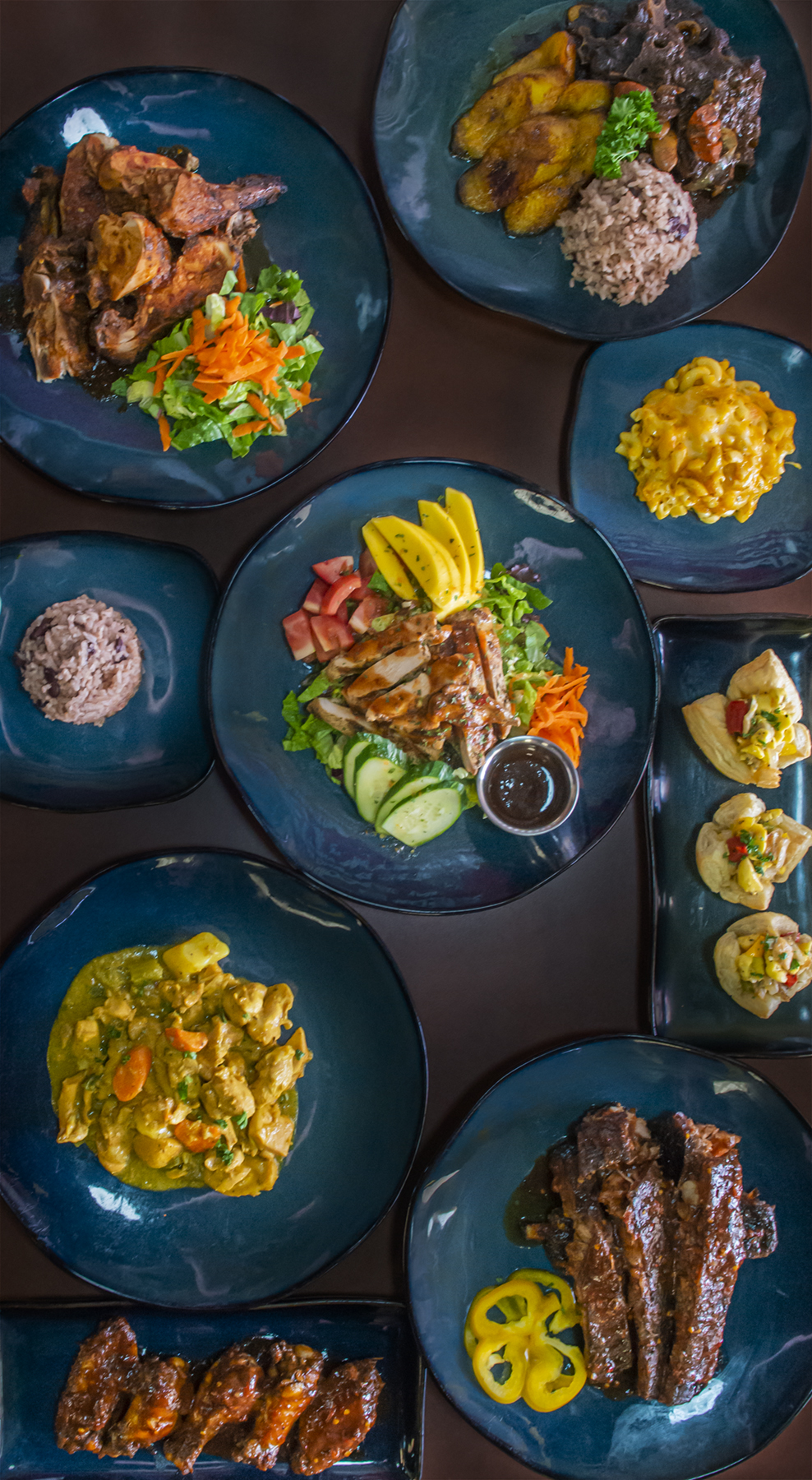
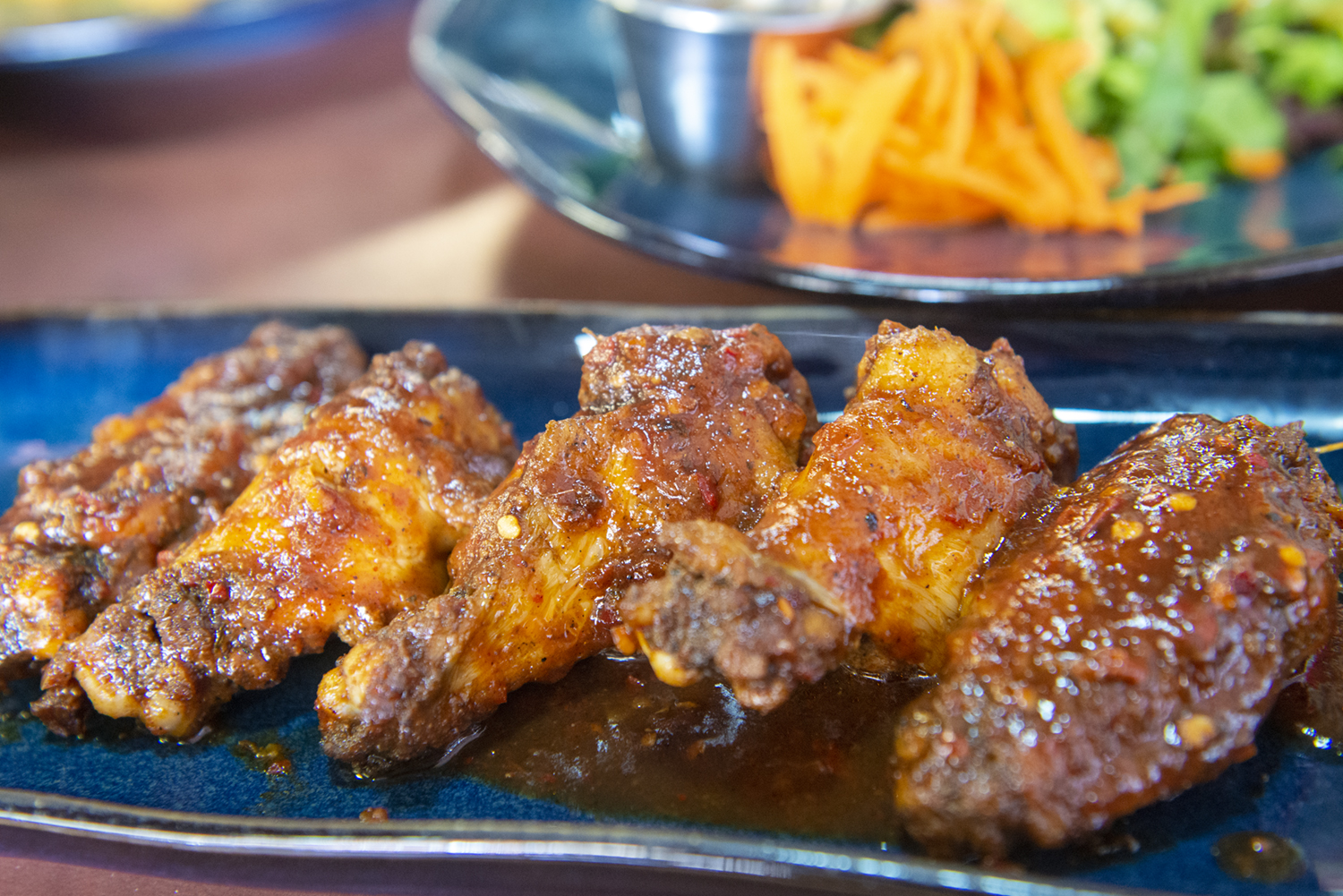

There is a reason Caribbean food survives trends, migrations, shortages, and reinventions better than most culinary traditions. It is built on memory, adaptation, and intensity. A pot of rice and peas, a slab of cassava bread, a pepper sauce made by instinct rather than recipe, these are not museum pieces. They are working foods, celebration foods, and survival foods at once. When people speak about a Caribbean food centennial, they are really speaking about a hundred-year arc of continuity, where recipes have shifted hands and ingredients have changed shape, yet the core identity remains unmistakable.
Spend enough time in Caribbean kitchens, whether in Kingston, Port of Spain, Bridgetown, Castries, Santo Domingo, or in diaspora neighborhoods from Brooklyn to Brixton, and you notice the same pattern. Dishes carry history, but they refuse to stay frozen. Grandmothers taste a stew and ask for more thyme. Younger cooks plate the same stew with grilled callaloo, roasted breadfruit, or a lighter stock. One generation leans on cast iron and coal pots. Another uses induction stoves and immersion blenders. The food absorbs both approaches without losing itself.
That elasticity is why Caribbean cooking matters so much to younger diners right now. It offers bold flavor without gimmick, technique without fuss, and a direct connection to land and lineage. At a time when caribbean food centennial many cuisines are being flattened into generic "spicy bowls" or "fusion comfort food," Caribbean food still insists on specificity. Scotch bonnet is not just heat. Green seasoning is not just a marinade. A curry from Trinidad is not the same as a curry from Jamaica or Guyana. Saltfish means one thing in breakfast, another in fritters, and something else entirely in a family memory.
A cuisine shaped by movement, not by borders
The Caribbean is often discussed as a single food region, but cooks on the ground know better. The islands and coastal territories share ingredients and methods, yet every place bends them differently. African foodways, Indigenous knowledge, European colonial influence, Indian indentureship, Chinese migration, Middle Eastern trade, and local ecology all left visible marks on the plate. What makes Caribbean food distinct is not a neat blending of these influences, but the way they were forced into conversation under pressure.
That history shows up in ordinary cooking. Rice, pigeon peas, coconut milk, smoked meat, plantain, yams, cassava, sorrel, tamarind, allspice, annatto, thyme, and hot pepper appear across the region, but not in the same ratios or roles. One island might braise with browning sauce until a deep mahogany sheen coats the meat. Another might brighten the pot with culantro, lime, and fresh celery. In one household, a Sunday lunch means stewed chicken, macaroni pie, and coleslaw. In another, it means pelau, cucumber chow, and avocado sliced minutes before the guests arrive.
A centennial view helps here because it reminds us that authenticity is not static. The Caribbean table has always evolved. Breadfruit itself was introduced. Salt cod traveled. Cane shaped labor, economy, and appetite. Canned goods became staples in some homes because they were practical, not because anyone thought they were glamorous. If a younger cook today uses air fryers, local mushrooms, or less sugar in a black cake batter, that is not necessarily betrayal. It may be exactly how Caribbean food has always moved, by adjusting to what is available and what the moment requires.
Flavor is built in layers, never by accident
One of the great misunderstandings about Caribbean cooking is that it is all about heat. It can be hot, certainly, but heat is only one note in a much richer score. The best cooks build flavor in layers that are easy to miss if you only focus on pepper. There is sweetness from caramelized onions, coconut milk, ripe plantain, or browned sugar. There is savoriness from cured fish, smoked bones, shrimp, or long-reduced stocks. There is brightness from lime, vinegar, tamarind, or green mango. There is perfume from thyme, pimento, bay leaf, cinnamon, clove, and nutmeg. Then comes texture, which matters just as much as taste, the crackle of a well-fried fritter, the soft starch of yam, the sticky pull of coconut drops, the creamy interior of a properly cooked breadfruit.
Any cook who has watched an elder season meat knows the process is intuitive but exacting. The bowl gets rubbed, turned, and left to sit. Aromatics are bruised or crushed, not simply chopped. Browning is judged by smell as much as color. The pot is never rushed. Even quick dishes carry a sense of sequencing. A good rundown, souse, pepperpot, or callaloo is less about a written formula than about understanding what each step is doing.
This is where younger cooks often surprise older ones. They may not inherit every unwritten rule, but they tend to ask sharp questions. Why add the scallion now rather than later? Why toast curry before adding liquid? Why soak saltfish this long in one household and less in another? Those questions matter. Caribbean food survives when technique is explained, not romanticized into silence.
The dishes that have lasted a century, and why they still work
Some foods persist because they are festive. Others last because they are simply reliable. Caribbean staples often do both. Jerk remains powerful not only because of its smoke and spice, but because it solves a practical problem: preserve flavor in meat, cook it over live fire, feed many people, and make the entire process social. Rice and peas lasts because it stretches, comforts, and accepts variation. Roti remains beloved because it is portable, filling, and endlessly adaptable. Patties, doubles, bake and saltfish, accra, conch fritters, oildown, mofongo, pepperpot, and cou-cou all endure for similar reasons. They are not fragile recipes. They fit real life.
A century ago, many of these dishes would have been made under tighter constraints. Meat was scarcer in some households. Fuel was expensive. Preservation mattered more. Seasonal eating was less a philosophy than a necessity. Today, availability is broader in cities and thinner in some rural areas, depending on economics and climate. Yet the enduring recipes still hold because they were designed around judgment. If the callaloo leaves are a bit older, cook them differently. If the fish is saltier than expected, soak longer or rebalance with starch. If green figs are not available, substitute another neutral starch, but keep the acid and the pepper sharp.
That adaptability is one reason the phrase caribbean food centennial feels apt. A centennial is not merely a celebration of the past. It is proof of resilience. The dishes that reach a hundred years in active use do so because they can withstand migration, improvisation, and changing equipment without falling apart.
The diaspora changed the menu, but not the soul
No serious discussion of Caribbean food can stop at the islands. The diaspora reshaped what gets cooked, sold, and remembered. In New York, Toronto, Miami, London, and Amsterdam, Caribbean restaurants became anchors for communities long before food media paid attention. They served workers grabbing lunch from steam tables, parents buying bread and spice buns on the way home, and young people trying to stay connected to flavors they heard about before they fully understood them.
Diaspora cooking introduced practical substitutions and new hybrids. You might see collard greens where callaloo is hard to source, or habanero standing in for scotch bonnet. Bakers learned how different flours behaved in colder climates. Cooks adapted to supermarket thyme that lacked the punch of backyard bunches. In some places, halal butchers changed the shape of traditional meat buying. In others, vegan diners pushed restaurants to rethink dishes once built around saltfish, pig tail, or chicken back.
Some of these changes are excellent. Some are compromises. Anyone who has eaten jerk from a drum pan in Jamaica and then tried an oven-roasted version abroad knows the difference can be dramatic. Real pimento wood smoke does not have an easy substitute. At the same time, insisting that diaspora cooks can never match the original misses the point. Diaspora food has its own authority because it carries the pressure of distance. It is food made by people preserving themselves in unfamiliar settings. That urgency often produces extraordinary cooking.
Younger palates want brightness, story, and balance
If you ask chefs and food entrepreneurs why Caribbean food is landing so strongly with younger audiences, the answer is rarely just spice. It is contrast. Younger diners tend to respond to food that tastes vivid and feels rooted. Caribbean cooking offers both. A tamarind glaze, a sharp chow, a coconut braise, a charred skewer with green seasoning, these flavors are assertive without being one-dimensional. They also come with stories that are not manufactured by branding teams. They belong to families, festivals, street corners, and migration routes.
There is another factor that matters more than people admit: balance. Modern diners are often skeptical of food that is too heavy, too sweet, or too processed. Caribbean food can certainly be rich, but its best forms are balanced by acid, herbs, bitterness, and heat. Think of escovitch fish with its vinegary vegetables, or a bowl of souse bright with lime, cucumber, and pepper. Even richer dishes are often paired intelligently. Fried items meet pickled relishes. Coconut richness meets fresh herbs. Dense starch meets crisp slaw.
This makes the cuisine surprisingly well suited to contemporary menus, provided chefs do not oversimplify it. A younger generation is willing to learn the difference between Jamaican patties and Haitian patties, between Trini doubles and Guyanese bara combinations, between Dominican sancocho and a more peppery island stew elsewhere. In fact, that specificity is part of the attraction.
What should be protected, and what can evolve
Every traditional cuisine faces this tension. Keep too rigid a gate and the food becomes ceremonial rather than lived-in. Change too much and the cuisine dissolves into trend-chasing. Caribbean food is no exception. Some elements deserve fierce protection. Seasoning methods, pepper integrity, the role of smoke, the importance of proper resting and marinating, these are not minor details. They are structural. Remove them and the dish can become a themed imitation.
At the same time, not every old habit requires preservation. Excess salt, excessive sugar, and overcooking vegetables until they surrender all texture are fair targets for revision. So are habits born from scarcity that no longer serve health or flavor. I have eaten excellent lower-sodium stews, black cakes with more fruit character and less blunt sweetness, and vegan callaloo that preserved depth through mushroom stock, coconut, and patient cooking rather than trying to mimic meat.
The strongest young cooks tend to understand a simple rule: first learn the dish honestly, then adjust it with respect. Problems start when people innovate from ignorance. A chef who has never tasted proper pelau should not be redesigning it for a tasting menu. A cook who learned from elders, however, can reduce heaviness, sharpen seasoning, or modernize presentation without severing the line of inheritance.
The ingredients under pressure
No discussion of the next hundred years can ignore supply. Climate volatility, import dependence, labor shifts, and land use are already affecting the Caribbean pantry. Fishermen talk about changed patterns. Farmers mention irregular rains, hotter dry seasons, pests, and crop inconsistency. Consumers feel it in price and quality. Fresh herbs wilt faster in heat. Root crops can become more expensive. Seafood availability fluctuates by region and season.
This matters because Caribbean food is ingredient-driven even when it appears rustic. A weak thyme bunch changes a pot. Poor coconut milk changes a rundown. Imported produce often looks the part but misses the aroma that recipes rely on. If the region wants its food traditions to thrive across another century, agricultural support matters as much as culinary nostalgia.
Younger chefs are responding in interesting ways. Some are returning to breadfruit, cassava, dasheen, and local beans with more seriousness, not as heritage props but as climate-smart staples. Others are building menus around seasonal flexibility rather than promising the same imported ingredients year-round. That is a healthier direction. The cuisine has always known how to pivot. It should not be forced into a static supply chain model to satisfy tourist expectations.
Restaurants have a responsibility beyond selling plates
A Caribbean restaurant does more than feed people. It interprets culture publicly. That makes menu decisions more important than they first appear. Too many establishments flatten the cuisine into a few predictable icons while ignoring the range and regional detail that make it rich. Jerk chicken, curry goat, and rum punch have their place, but they cannot carry the whole story.
Restaurants that serve the cuisine well usually do three things. They season uncompromisingly, they explain dishes without apologizing for them, and they maintain at least a few items that belong to memory rather than mass appeal. A daily soup, a breakfast item with saltfish, a proper chow, a less familiar ground provision side, these details signal seriousness.
There is also room for refinement. Not every Caribbean meal must arrive in oversized portions with little attention to plating or pacing. Some diners want banquet generosity. Others want precision. The cuisine can do both. I have had caribbean food centennial memorable Caribbean meals from roadside grills and from polished dining rooms. The common factor was conviction, not format.
Passing it on requires more than recipes
Anyone who has tried to learn Caribbean cooking from family knows the challenge. Recipes are often transmitted in fragments. "Season it properly." "Cook until it looks right." "Use enough coconut." These instructions make sense only after repetition. They can frustrate younger cooks who want exact measurements, but they also point to a deeper truth: this cuisine is sensory. It is heard in the crackle, smelled in the browning, seen in the oil rising to the surface, and felt in the resistance of dough under the hand.
Still, if the next generation is to carry this food well, some translation is necessary. Oral teaching remains invaluable, but writing things down, recording methods, and explaining the reasons behind them can prevent unnecessary loss. That does not mean stripping recipes of intuition. It means giving young cooks a starting structure sturdy enough to practice from.
The most effective knowledge transfer usually includes a mix of observation, repetition, and context. A young person learning to make doubles should know not only how to fry the bara, but why the dough needs that softness, why the channa should hold shape yet still cling to the bread, and why the sauces must strike sweet, sharp, and hot notes in quick sequence. Without that context, technique becomes mechanical.
How a new generation is already redefining the future
The encouraging news is that the new generation is not waiting for permission. They are bottling pepper sauces with cleaner labels and better sourcing. They are opening pastry shops that take guava, coconut, and sorrel seriously. They are posting family recipes online, often after years of watching elders refuse measurements. They are staging pop-ups that pair traditional dishes with wine, natural juice ferments, or nonalcoholic drinks based on ginger, mauby, and hibiscus.
Some of this work is commercially savvy, and some of it is deeply personal. Often it is both. That combination is healthy. A cuisine stays alive when it can be cherished at home and sold with dignity in public. Young Caribbean cooks are also better positioned than earlier generations to insist on nuance. They can tell diners, without embarrassment, that the region is not monolithic. They can explain why one pepper sauce is fruit-forward, another smoky, another almost punishing. They can make room for vegan eaters, gluten-sensitive guests, and health-conscious customers without bleaching out the food’s identity.
For anyone invested in a genuine caribbean food centennial, this is the work that matters. Not empty celebration, but active continuation. Cook the dishes. Teach them accurately. Adjust them intelligently. Support the farmers, fishers, bakers, and vendors who keep the pantry alive. Reward restaurants that respect the cuisine beyond clichés. Let younger people experiment, but ask them to know what they are handling before they reinvent it.
A cuisine that has survived plantation economies, displacement, migration, and globalization does not need sentimental rescue. It needs serious stewardship. Caribbean food has never been fragile. It is seasoned by hardship and sharpened by joy. That is why its oldest flavors still feel current, and why a new generation keeps returning to them, not out of duty, but because they are delicious, expressive, and alive.
Reggae Pot Jamaican Grill
Address: 7562 S University Blvd Unit C, Centennial, CO 80122
Phone: (303) 997-5623
FAQ About caribbean food centennial
What Jamaican dishes can I try in Centennial?
Reggae Pot Jamaican Grill serves Jamaican specialties such as jerk chicken, stewed oxtail, curry goat, and ackee and saltfish. Check the current menu for availability.
What is ackee and saltfish?
It is Jamaica’s national dish. The restaurant prepares ackee with salted cod, onions, thyme, tomatoes, garlic, black pepper, and pimento.
Can I order Jamaican food for pickup in Centennial?
Yes. Choose the Centennial location at 7562 S University Blvd Unit C when placing a takeout order.